Death Cleanup
Home cleaning following a death includes affected possessions as well as fluid and odor cleanup.
See death cleanupGet decomposition fluids, affected materials and odor removed from a home, apartment, rental or business in Georgetown after officials release the property. Cleanup timing depends on the affected area and materials.
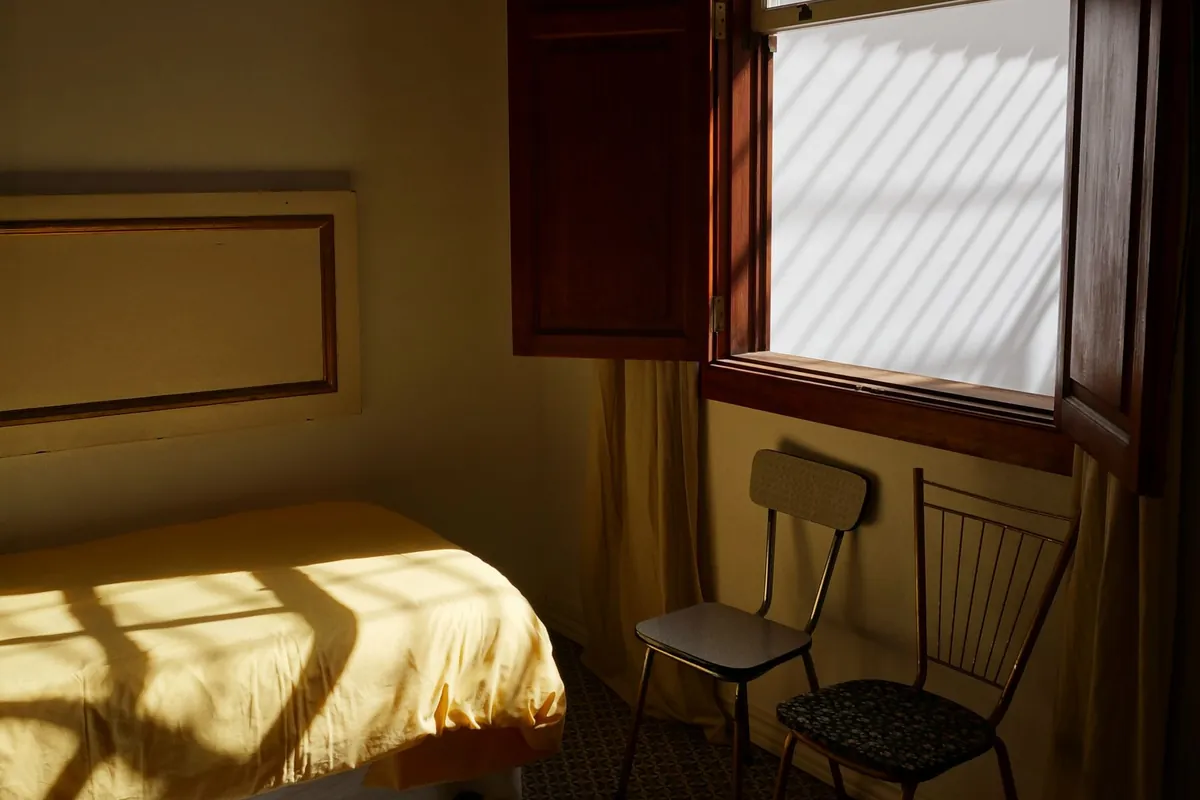
Unattended death cleanup removes odor, affected belongings and decomposition fluids when someone died but was not discovered for some time. The affected space is then cleaned and disinfected.
After a funeral home or medical examiner or coroner brings the deceased person into its care, the property still needs cleaning. That responsibility belongs to you or another authorized person once officials release it. People may call the work unattended death clean up or decomposition cleanup. Post death cleanup is another name. Biohazard clean up after death is used too.
What can be seen may not show the full path of contamination. Bodily fluids might pass through bedding or carpet and pad, run into seams in the floor, penetrate subfloor, or pool next to walls and furnishings. Technicians locate each route before removing anything that cannot be thoroughly cleaned. They apply an EPA-registered disinfectant to surfaces that remain, observe the contact time listed on the label and package hazardous waste for lawful disposal.
The remediation process also includes odor removal. Removing the source comes before treating nearby surfaces and air. Personal property beyond affected areas may then be sorted, cleaned where suitable, or reserved for you to inspect. Work on new baseboards, flooring or drywall typically starts after death scene cleanup is finished.
Crews arrive in unmarked vehicles, with calls answered both day and night. You do not have to walk through the room or explain sensitive circumstances to neighbors when arranging access.
Photos, the cleanup scope and waste records can be organized for insurance companies, landlords or property managers. With organized documentation, you can move forward on repairs and claim evaluation.
Photos, documents, jewelry and other meaningful items are separated when they can be reached safely. You make decisions about set-aside personal items when possible.
The pre-work discussion covers affected materials, what can stay, what must come out and factors shaping cost. You can ask questions throughout every stage.
When someone was not found soon enough after death, resulting fluids or odor may make unattended death cleanup services necessary. Whatever the location, others should be kept away and the contamination path must be identified.
Officials must release the rental before a manager or landlord can set up access. Keep belongings where they are until an authorized person determines which items can be saved, cleaned or taken away.
A bedroom, bathroom or living area may have affected bedding, flooring, baseboards and belongings. You may stay outside the room as cleanup technicians determine the extent of contamination.
Discreet containment and careful treatment of odor, furniture and flooring may be necessary before a hotel or short-term rental returns to use or undergoes repairs.
Odor and fluids can move into shared walls, subflooring or a downstairs unit. The tenant, family, property manager and insurance company may all need clear photos and a defined work area.
Stay outside the affected area until its official release. The steps below can protect other people and you while preserving the investigation and any insurance claim that may follow.
Call (888) 440-9227Published guides place most unattended death cleanup cases at $2,000 to $7,000 per job. A recent one-room case found within one to three days is listed at $2,000 to $5,000 per job. Costs climb with the time before discovery, to $8,000 to $18,000 after one to two weeks and $15,000 to $35,000 after three weeks or more. Fluid penetration, materials, odor treatment and waste volume decide your final price.
These national ranges are taken from published cost guides, rather than a property visit. You learn what your property will cost after the on-site assessment and before any work begins.
Ask about cost: (888) 440-9227Insurance for a home, rental or commercial property may cover cleanup after an unattended death. The cause of the loss and the policy's exclusions, deductible and other terms determine coverage.
Ask what documentation the adjuster needs. Site photographs, a detailed work scope, waste documentation and notes identifying removed materials may support the insurance company's evaluation.
Homeowners or renters insurance, the estate or the property owner usually pays for this kind of cleanup. The Washington crime victim compensation program helps only when a crime caused the loss.
Contact the insurance company to ask specifically about repairs, odor treatment, contaminated material removal and biohazard remediation. Keep the claim number and ask before discarding property.
Insurance terms, property ownership responsibilities and lease conditions determine who arranges payment. A landlord may coordinate work in the building while a tenant's policy may apply to personal property.
A controlled unattended death cleanup begins after release with an assessment. Its findings determine every later stage, including removal, disinfection, treatment for odor and the final documentation.
Technicians confirm the official release, speak with you about access, inspect the affected area and surrounding rooms, document conditions, and define what work is needed.
The affected work space is isolated from unaffected parts of the building. Controlled airflow combines with floor protection and barriers to help contain movement beyond the work area.
Cleanup technicians use protective clothing, gloves, eye protection and respiratory protection suited to the work. OSHA Bloodborne Pathogens Standard 29 CFR 1910.1030 covers workers who may contact blood.
Bedding, carpet, pad, furniture, drywall or flooring that cannot be fully disinfected is removed in controlled sections. Keepsakes and unaffected personal property are separated for you to inspect.
Remaining hard surfaces are cleaned first, then treated with an EPA-registered disinfectant for the full contact time stated on its label. Treatment also covers crevices and nearby surfaces.
Odor work follows removal of the affected source. HEPA air scrubbers, hydroxyl treatment or other methods may be selected for the room and its remaining materials.
A planned path is used to move contaminated materials secured inside appropriate containers. You can store disposal documentation alongside insurance records and cleanup images.
After cleaning and odor work, the affected area receives an inspection. A completed-scope record is given to you before damaged finishes proceed to restoration services.
You can call anytime. A specialist in unattended death cleanup takes your call, explains each step and agrees on a start time with you.
Bodily fluids and contamination absorbed by porous material can remain after an unattended death, making thorough disinfection, protective equipment and controlled removal necessary.
Affected flooring, bedding, carpet and other removed materials may be subject to regulated disposal, transport and packaging. Do not loosely put those materials in residential garbage or move them across clean spaces.
Entering the place where a loved one died can add distress during an already difficult time. From a safe place, you can identify important items and make access arrangements without viewing the room.
Carpet may allow fluids into its pad and subfloor, while trim gaps and furniture joints can also be reached. A surface mark may disappear even though contaminated materials and odor remain underneath.
Can you clean it yourself? Do not treat an unattended death like a small spill at home. Leave the affected area untouched, unsprayed and unvacuumed. Leave the door shut and prevent contamination from entering surrounding areas. After the medical examiner, coroner or law enforcement releases the property, you may arrange professional cleanup.
An item can be kept when all exposed areas are reachable for complete cleaning. Porous material needs removal if decomposition fluids have penetrated it so effective disinfection cannot be completed.
One day may be enough for a limited, one-room unattended death cleanup. If the work includes removing subfloor, treating extensive odor or addressing several affected spaces, several days may be required. Your most reliable schedule follows the on-site assessment.
| Scene | Typical time on site |
|---|---|
| Limited area with cleanable surfaces | May take about one day |
| Porous material removed from one room | A possible duration of one to three days |
| Multiple areas or removal of structural material | May take several days |
Resolving decomposition odor begins by locating all affected sources and taking them out. Surface spray, paint and fragrance cannot fix fluids held in furniture, carpet pad, wallboard, floor structure or hidden gaps. The team looks farther than the visible area so the smell is not merely masked for a little while.
Airborne particles can be captured by HEPA air scrubbers following removal of the source and cleaning. Hydroxyl equipment may run around people if its instructions say this is allowed. Ozone can be used only in an unoccupied, controlled space, which must be ventilated before reentry. Movement of odor into adjoining areas calls for checking HVAC returns and vents along with nearby soft materials.
The full unattended death cleanup guide covers what is cleaned or removed, odor and air quality work, and the rules that apply in your state.
Read the full unattended death cleanup guideContainment, entry and cleanup plans can be influenced by local housing, population and access details.
The nearest listed emergency facility is Harborview Medical Center, about 3.8 miles away, so medical care remains separate from property cleanup.
Directions that mention Van Asselt, South Seattle or Jefferson Park can describe the general area, but crews still need the exact street address and entrance.
In this community, identifying the correct building entrance can reduce unnecessary movement through shared spaces during a sensitive cleanup.
During your call, ask whether cleanup is available in surrounding communities and ZIP codes.
Home cleaning following a death includes affected possessions as well as fluid and odor cleanup.
See death cleanup
Cleanup clears fluids from decomposition out of floors, subfloors and furnishings.
See decomposition cleanup
Air scrubbers, hydroxyl and ozone treatment support death odor removal at its source.
See death odor removal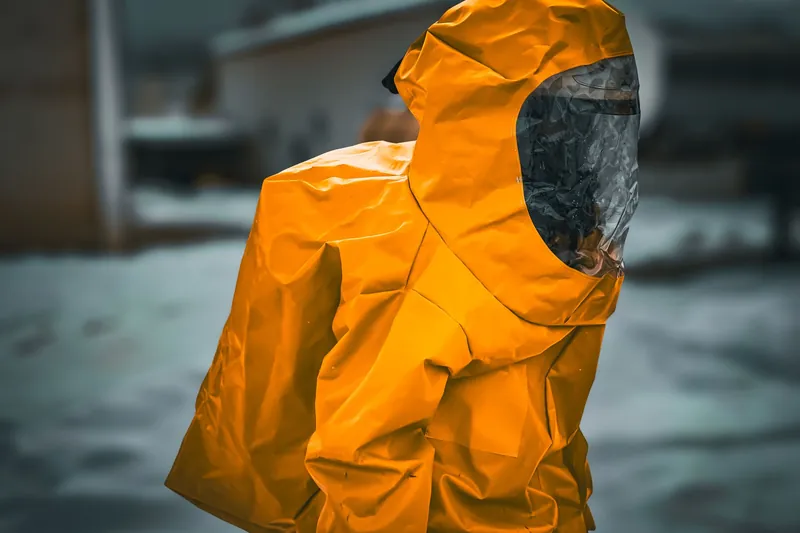
Cleanup removes infectious material, including blood and body fluids, and disinfects the property.
See biohazard cleanup
Following accidents, violence or injuries, trauma scene cleanup addresses the affected area.
See trauma scene cleanup
Blood cleanup on carpet, hard floors, walls and furniture with safe disposal.
See blood cleanup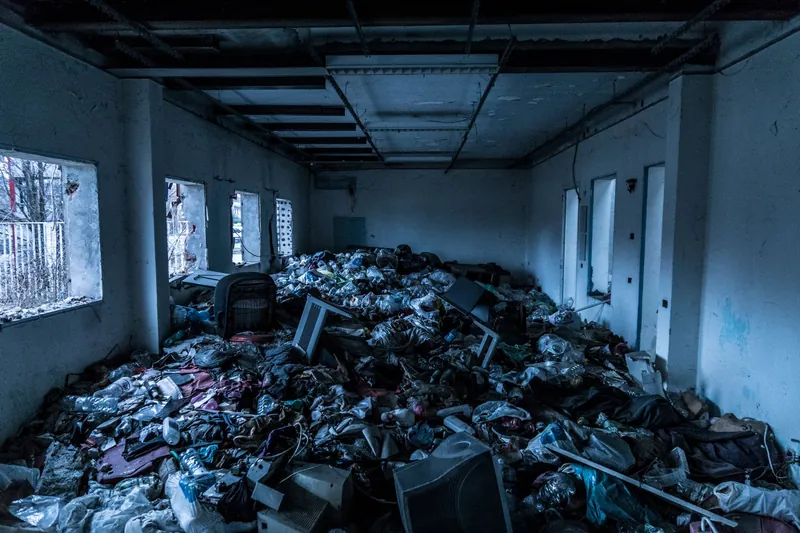
Hoarding cleanup combines respectful sorting, removal and deep cleaning.
See hoarding cleanup
Suicide cleanup is completed privately and with care, protecting families from seeing the scene.
See suicide cleanupResponsibility depends on ownership, the lease, local requirements and insurance terms. A landlord or property manager often coordinates work affecting the unit or building, while a tenant's policy may address personal belongings. Leave the affected area undisturbed until assessment, and ask both insurance companies about applicable terms.
Law enforcement, the medical examiner or coroner and the funeral home do not clean the property. An unattended death cleanup service is arranged by the family, property owner, landlord or another authorized person following official release. Cleanup technicians can remove affected materials, disinfect remaining surfaces, treat odor and prepare hazardous waste for proper disposal.
Yes. Odor can be addressed after the affected source is found and removed. Once source removal is complete, remaining surfaces are cleaned and disinfected before air treatment is chosen for the room. Inspection may include subflooring, carpet pad, furniture, wall openings and HVAC spaces. Fragrance cannot substitute for remediation because it leaves the source in place.
Decomposition fluids and contacted materials can continue to present health risks following removal of the person. Exposure to blood or some bodily fluids may involve bloodborne pathogens. Keep people away and avoid contact. Cleanup technicians using protective equipment should remove porous materials, disinfect surfaces and prepare hazardous waste.
You or a representative normally arranges entry and approves the work, without needing to remain beside the room. Details, photos and personal property decisions can often be reviewed from another location. Identify valued belongings to the cleanup technicians before any removal starts.
Coverage is possible based on policy terms, the loss cause, exclusions and your deductible. Notify the insurer of the loss and ask about restoration, odor treatment, removal of contaminated materials and biohazard remediation. Keep the claim number, photos, cleanup scope and disposal records, and ask the adjuster before discarding affected property.
Crews carry out respectful, discreet unattended death cleanup, arrive in unmarked vehicles and take calls 24 hours a day.